 Free 2-Day Shipping on $150+ — Same-Day Shipping by 2PM PST

 VIP 5mg
Original price was: $57.99.$45.99Current price is: $45.99.
KPV 10mg
Original price was: $69.99.$55.99Current price is: $55.99.
VIP 5mg
Original price was: $57.99.$45.99Current price is: $45.99.
KPV 10mg
Original price was: $69.99.$55.99Current price is: $55.99.
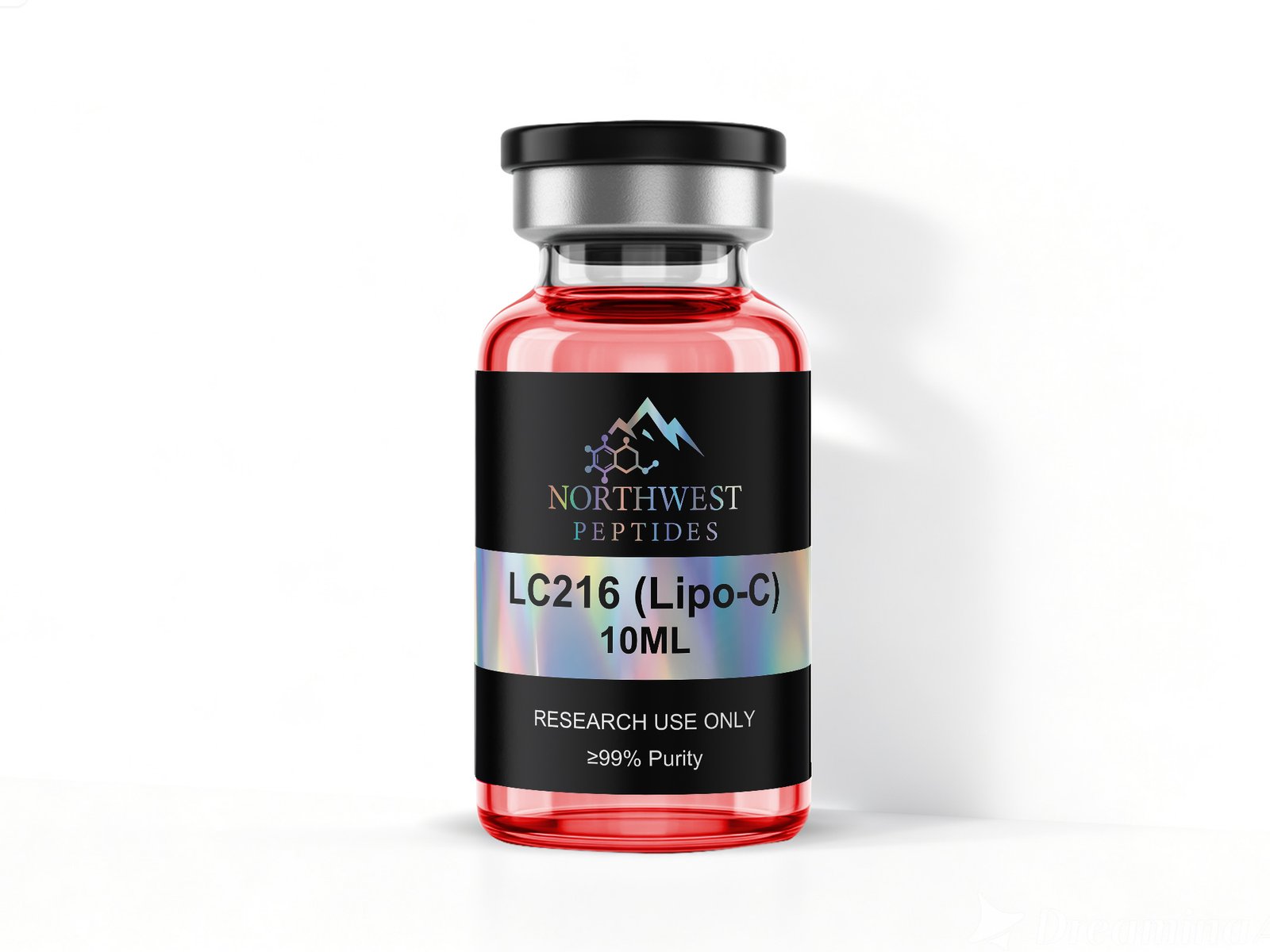
LIPO-C (LC216) 10ml
Original price was: $69.99.$59.99Current price is: $59.99.
LIPO-C (LC216) is an investigational peptide studied for its potential roles in metabolism, cellular signaling, and tissue‑level physiological modulation in controlled research models.
-
Investigational peptide for metabolic pathway studies
-
Potential relevance to cellular stress and recovery models
-
Explored for regulatory effects on lipid and energy mechanisms
In stock
| Title | Item Quantity | Discount |
|---|---|---|
| Save 5% | 3 - 4 | 5% |
| Save 8% | 5 - 9 | 8% |
| Save 12% | 10 - 19 | 12% |
| Save 15% | 20 + | 15% |
Certificate of Analysis
✓ VERIFIED BATCH
Current Analysis
- Batch: LC216-20251102
- Strength:
- Purity: 0.498 EU/mL
- Test Date: 31/12/2025

What Is LC216 Lipo C Research Peptide?
- define LC216 as a synthetic peptide studied in preclinical research and laboratory studies, with lc 216 presented as a research compound for metabolic signaling
- position LC216 as a specialized multi-component formulation for lipid metabolism and hepatic function in preclinical models and research models
- state formulation is strictly intended for research settings, not approved by the FDA for human use, and not intended for injection outside laboratory research
- note the primary components include methionine, inositol, choline, and Vitamin B12 in a sterile solution used in metabolic research
Key Ingredients: L Carnitine, Choline, B Vitamins, Inositol
- list L carnitine as a mitochondrial fatty acid transporter
- list choline as a phospholipid and VLDL precursor, noting its role in phosphatidylcholine synthesis for hepatic lipid export
- list methylcobalamin or B12 as a one‑carbon cofactor that supports methylation reactions and s adenosylmethionine cycling
- list inositol as a mediator of cellular signaling, where it acts as a secondary messenger in signaling pathways
- note that these cofactors work across interconnected pathways tied to lipid metabolism and fat mobilization
Biochemical Mechanisms and Cellular Signaling for Fat Metabolism
- summarize integrated mechanisms affecting hepatic and systemic lipid flux, including effects at the cellular level on lipid metabolism, lipid mobilization, and energy use
- outline expected biochemical endpoints for metabolic signaling studies; laboratory studies and research suggests support use in glucose homeostasis and insulin signal transduction pathways
- recommend orthogonal assays to validate mechanistic readouts, as researchers often confirm interconnected pathways with transport and energy-utilization endpoints
Mitochondrial Fatty Acid Transport (L Carnitine)
- describe CPT shuttle role in beta‑oxidation
- propose measuring fatty acid oxidation rates and ATP yield per substrate in mitochondrial bioenergetics experiments
- recommend including carnitine‑depleted controls
One‑Carbon Metabolism and Lipotropic Activity
- explain methylation cycling, with methionine as a precursor in one-carbon metabolism, and SAM availability
- suggest homocysteine, SAM, and DNA methylation assays as epigenetic endpoints
- note using methylcobalamin for direct methylation support
Cellular Signaling: Inositol and Metabolic Signaling
- outline inositol’s role in insulin signaling cascades and related signaling pathways tied to adipocyte function and metabolic homeostasis
- recommend glucose uptake or insulin sensitivity endpoints
- advise phosphoinositide or second‑messenger profiling
Research Applications and Study Models
- map LC216 to hepatocyte and NAFLD cellular models, including hepatology research on lipid accumulation in hepatocytes and the efficiency of hepatic detoxification pathways
- map LC216 to rodent metabolic syndrome studies in preclinical models, including laboratory animal work and obesity models used to explore lipid metabolism and metabolic syndrome
- map LC216 to adipocyte and body composition protocols, with a focus on adipose tissue metabolism and how combined lipotropic nutrients alter lipid metabolite profiles
- map LC216 to epigenetics and methylation research, including in vitro research models used to investigate nutrient-driven metabolic shifts
Product Specifications, Quality Control, and Research Use
- provide Certificate of Analysis with HPLC and MS data to support reproducibility across batches for researchers
- certify component purity percentage per batch, with rigorous third-party testing and GMP-compliant production aligned with reliable peptide source selection criteria
- describe available concentrations and formulation types through a research-grade peptide and compound catalog, including 20 mg/mL in a 10 mL sterile aqueous solution and, where applicable, lyophilized powder
- state recommended storage conditions and shelf life
- offer wholesale and custom peptide synthesis options
Handling, Reconstitution, and Experimental Best Practices
- instruct use aseptic technique when opening vials sourced from a trusted supplier of research-grade peptides
- recommend appropriate solvents for reconstitution alongside other laboratory research materials and supplies
- advise aliquoting to avoid repeated freeze‑thaw cycles
- suggest endotoxin testing for primary cell experiments
Liver Support and Lipotropic Activity Study Design Notes
- advise primary endpoints for hepatic triglyceride content
- recommend VLDL secretion assays for liver export studies
- propose timepoints for acute and chronic lipid flux measures
Regulatory Status and Human Consumption Notice
- state LC216 is for research use only and not for human consumption
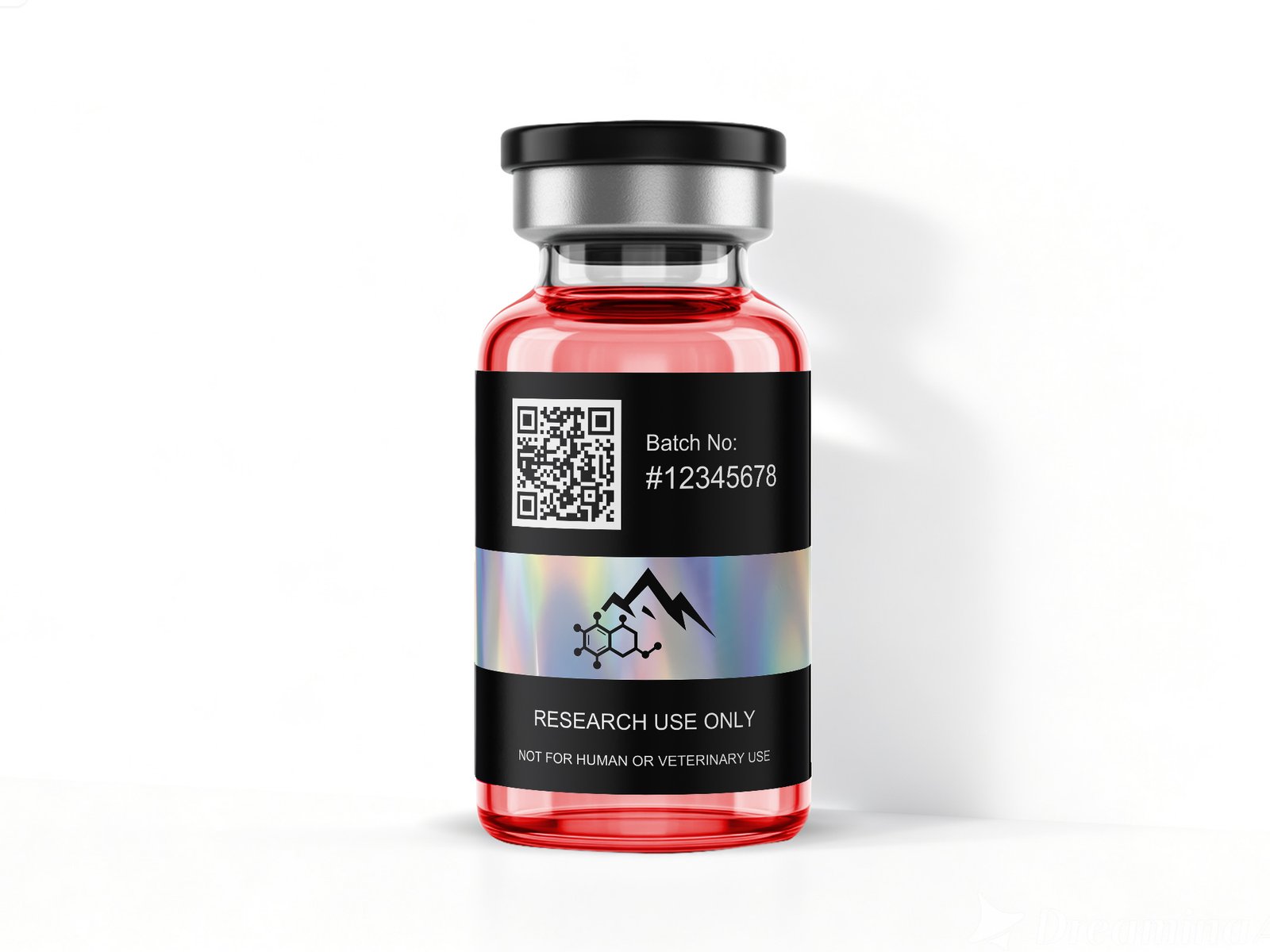
- instruct labeling to prohibit human or veterinary use
- advise adherence to institutional biosafety and IACUC rules
Frequently Asked Questions — LC216 Research Use
- explain why combine multiple cofactors versus single compounds and how this intersects with criteria for comparing peptide research supplies
- clarify suitability for in vitro versus in vivo experiments
- advise on selecting appropriate analytical endpoints
Ordering, Documentation, and Technical Support from NorthWest Peptides
- instruct how to request batch COA and analytical reports in line with best practices for buying research peptides
- provide steps to order catalog or custom quantities from a provider specializing in high-purity custom peptide synthesis
- offer technical consultation for experimental protocol design
Additional information
| Weight | .10 lbs |
|---|