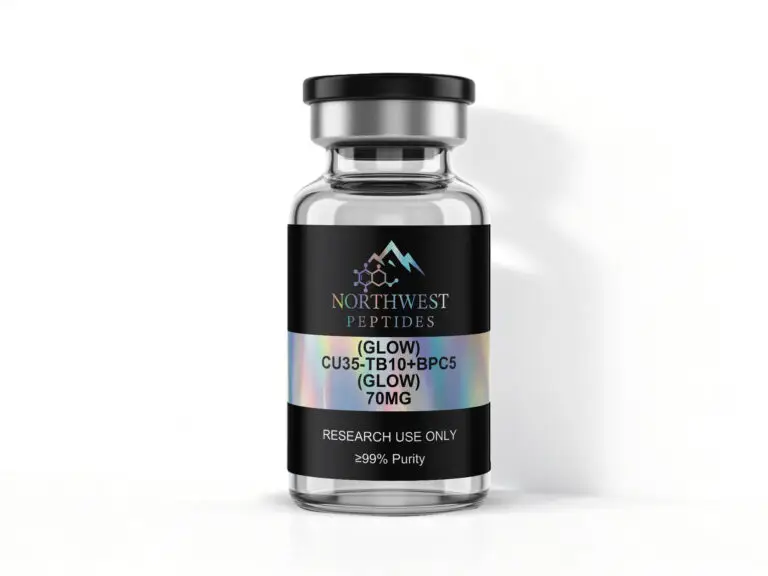
VIP Research Peptide
Product Overview
Vasoactive Intestinal Peptide (VIP) is a naturally occurring peptide composed of 28 amino acids that has been extensively investigated in laboratory research involving neurobiology, cellular signaling, immune communication, and vascular physiology. Due to its widespread distribution throughout the nervous system and peripheral tissues, VIP remains an important subject of scientific investigation across multiple fields of biological research.
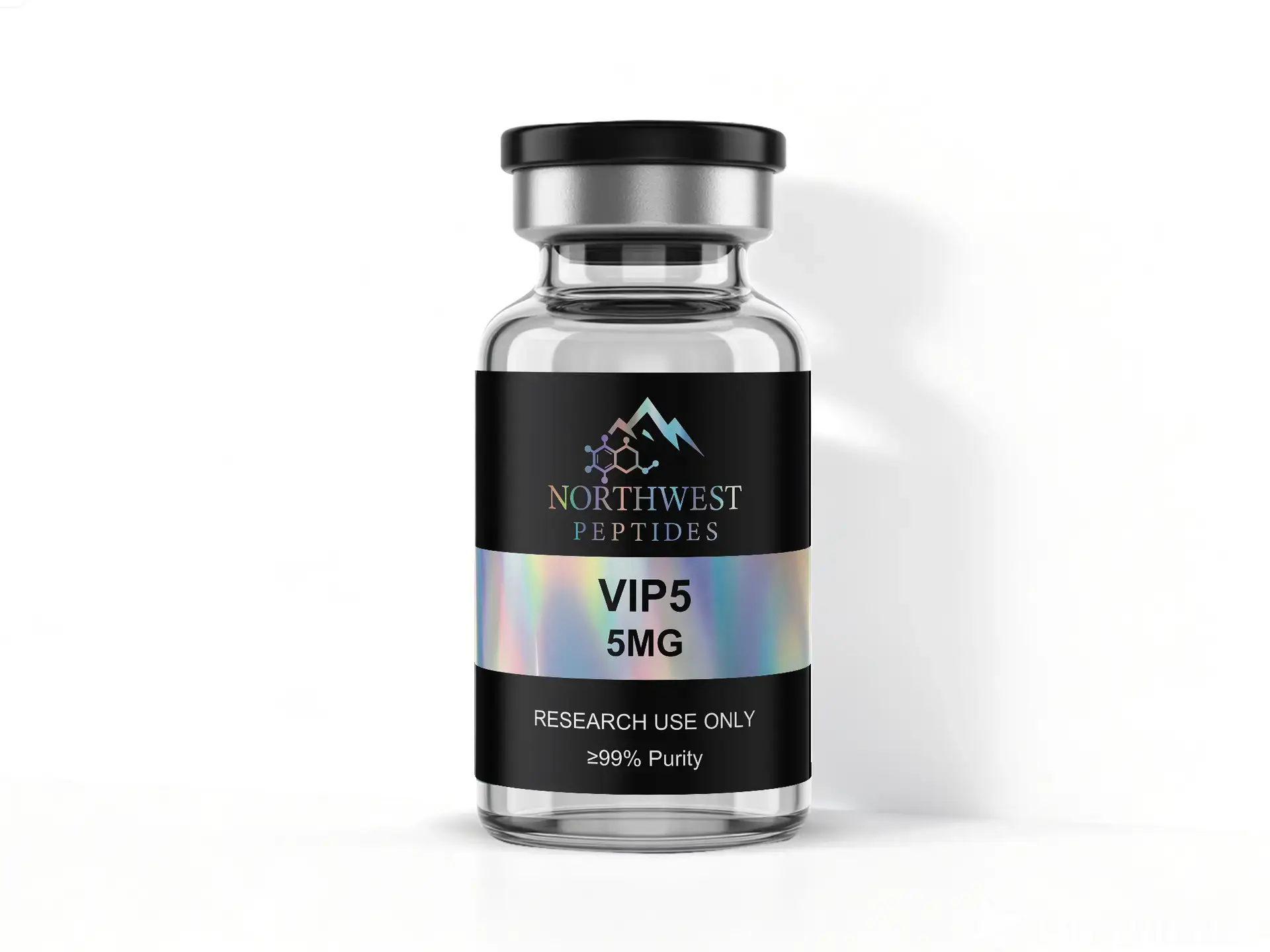
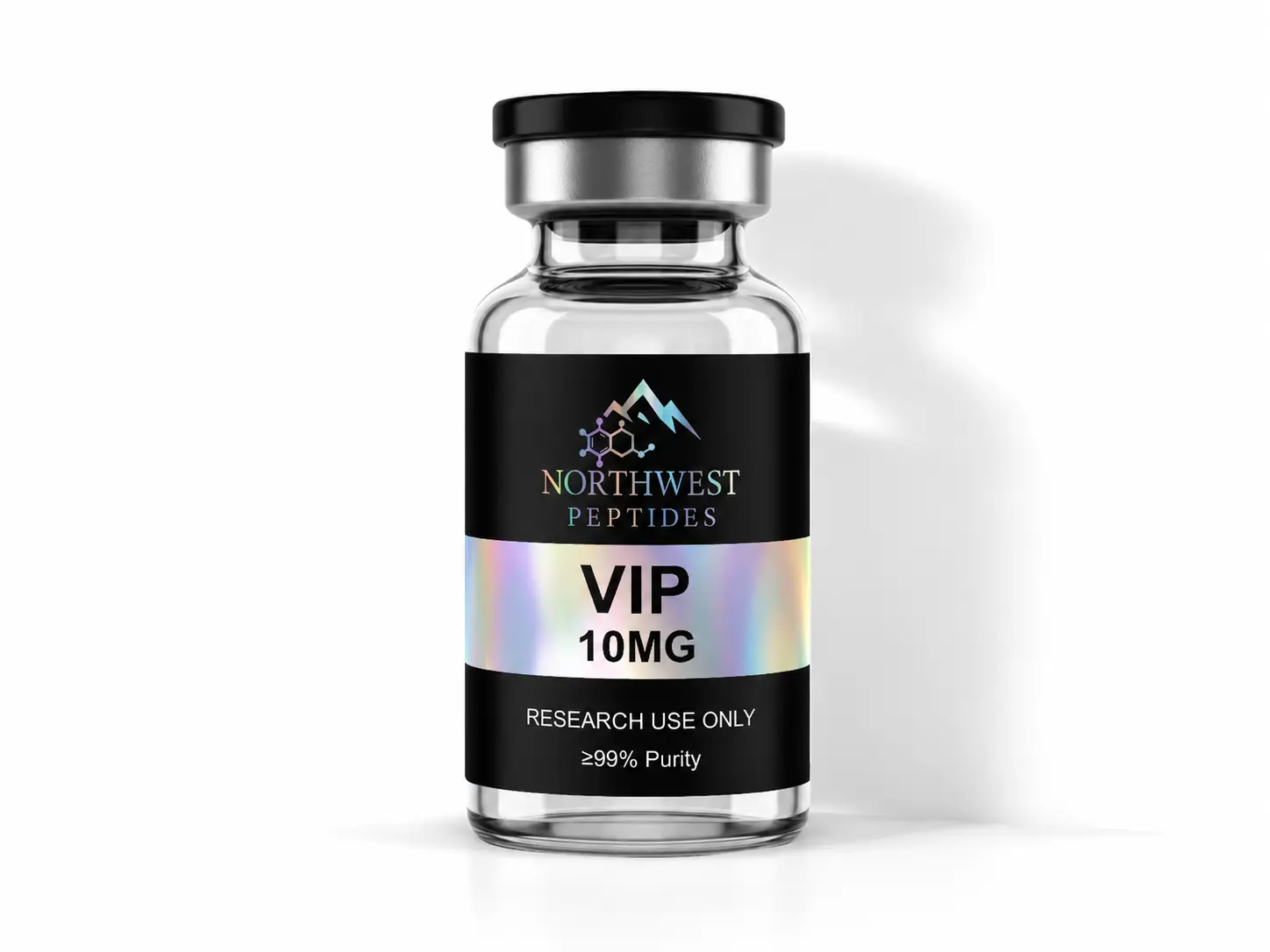
Northwest Peptides supplies VIP as a premium-quality lyophilized research peptide available in 5mg and 10mg laboratory formulations. Every production batch undergoes rigorous analytical verification and includes a batch-specific Certificate of Analysis (COA).
Research Overview
VIP has been widely studied for its interactions with VPAC1 and VPAC2 receptors and its role in cellular communication throughout numerous biological systems. Published laboratory research has investigated VIP in neurobiology, immune signaling, smooth muscle physiology, vascular regulation, and gastrointestinal research models.
Researchers continue to investigate VIP’s involvement in intracellular signaling pathways, inflammatory signaling, circadian biology, and peptide-mediated cellular communication. Ongoing laboratory studies seek to better understand its complex receptor interactions and biological mechanisms under controlled experimental conditions.
Scientific literature has also explored VIP in laboratory models involving respiratory biology, neuroimmune communication, metabolic regulation, and cellular homeostasis. These investigations remain focused on understanding biological function rather than establishing therapeutic outcomes.
Quick Facts
| Specification | Details |
|---|
| Full Name | Vasoactive Intestinal Peptide |
| Abbreviation | VIP |
| Peptide Length | 28 Amino Acids |
| Molecular Formula | C147H238N44O42S |
| Molecular Weight | 3325.8 g/mol |
| CAS Number | 40077-57-4 |
| Purity | ≥99% (HPLC Verified) |
| Form | Lyophilized Powder |
| Available Sizes | 5mg & 10mg |
| Storage | Store at -20°C in a dry environment away from direct light |
| Research Category | Neuro Research Peptides |
Quality Assurance
Every batch of VIP undergoes strict quality verification before release.
- ≥99% Purity Verified by HPLC
- Batch-Specific Certificate of Analysis (COA)
- Identity Verification
- Lyophilized for Long-Term Stability
- Sterile Laboratory Packaging
- Manufactured for Research Applications Only
Research Applications
Current published literature has investigated VIP in areas including:
- Neurobiology research
- Cellular signaling studies
- Neuropeptide receptor biology
- Immune communication research
- Vascular physiology investigations
- Gastrointestinal signaling studies
- Respiratory biology research
- Experimental metabolic research
Literature Summary
Scientific interest in VIP spans several decades, with numerous peer-reviewed publications examining its biological activity across nervous, immune, vascular, respiratory, and gastrointestinal systems. Ongoing laboratory investigations continue to expand scientific understanding of VIP receptor biology, intracellular signaling pathways, and peptide-mediated cellular communication.
Related Research Peptides
Researchers investigating neurobiology and cellular signaling frequently explore Humanin, SS-31, MOTS-c, Pinealon, and Epitalon in complementary laboratory investigations. These research peptides may support broader experimental objectives depending on individual research protocols.
Frequently Asked Questions
What is VIP?
VIP (Vasoactive Intestinal Peptide) is a naturally occurring peptide widely investigated in laboratory studies involving neurobiology, cellular signaling, immune communication, and vascular physiology.
Who may purchase VIP?
Northwest Peptides supplies VIP exclusively for lawful laboratory research purposes. Purchasers are responsible for ensuring compliance with all applicable laws and regulations.
How is VIP supplied?
VIP is available in sealed laboratory vials containing either 5mg or 10mg of high-purity lyophilized research peptide.
Does every batch include a COA?
Yes. Every production batch includes a Certificate of Analysis verifying purity and analytical testing.
How should VIP be stored?
For long-term stability, store lyophilized material at approximately -20°C in a dry environment away from direct light. Follow appropriate laboratory storage procedures after handling.
How quickly are orders shipped?
Orders are typically processed within one business day from our U.S. fulfillment facility. Products are packaged securely to help maintain product integrity during transit.
References
Representative sources for researchers include peer-reviewed publications indexed by major scientific databases, including PubMed, along with scientific literature describing vasoactive intestinal peptide, VPAC receptors, neurobiology, and cellular signaling pathways.
Research Use Disclaimer
This product is intended strictly for lawful laboratory research purposes only. Not for human or veterinary consumption. Not intended to diagnose, treat, cure, or prevent any disease. This product has not been evaluated by the U.S. Food and Drug Administration.
Call to Action
Order VIP Research Peptide from Northwest Peptides in 5mg or 10mg high-purity, COA-verified laboratory formulations backed by rigorous quality standards.